Why Proper Water Treatment Service Matters Long After Installation
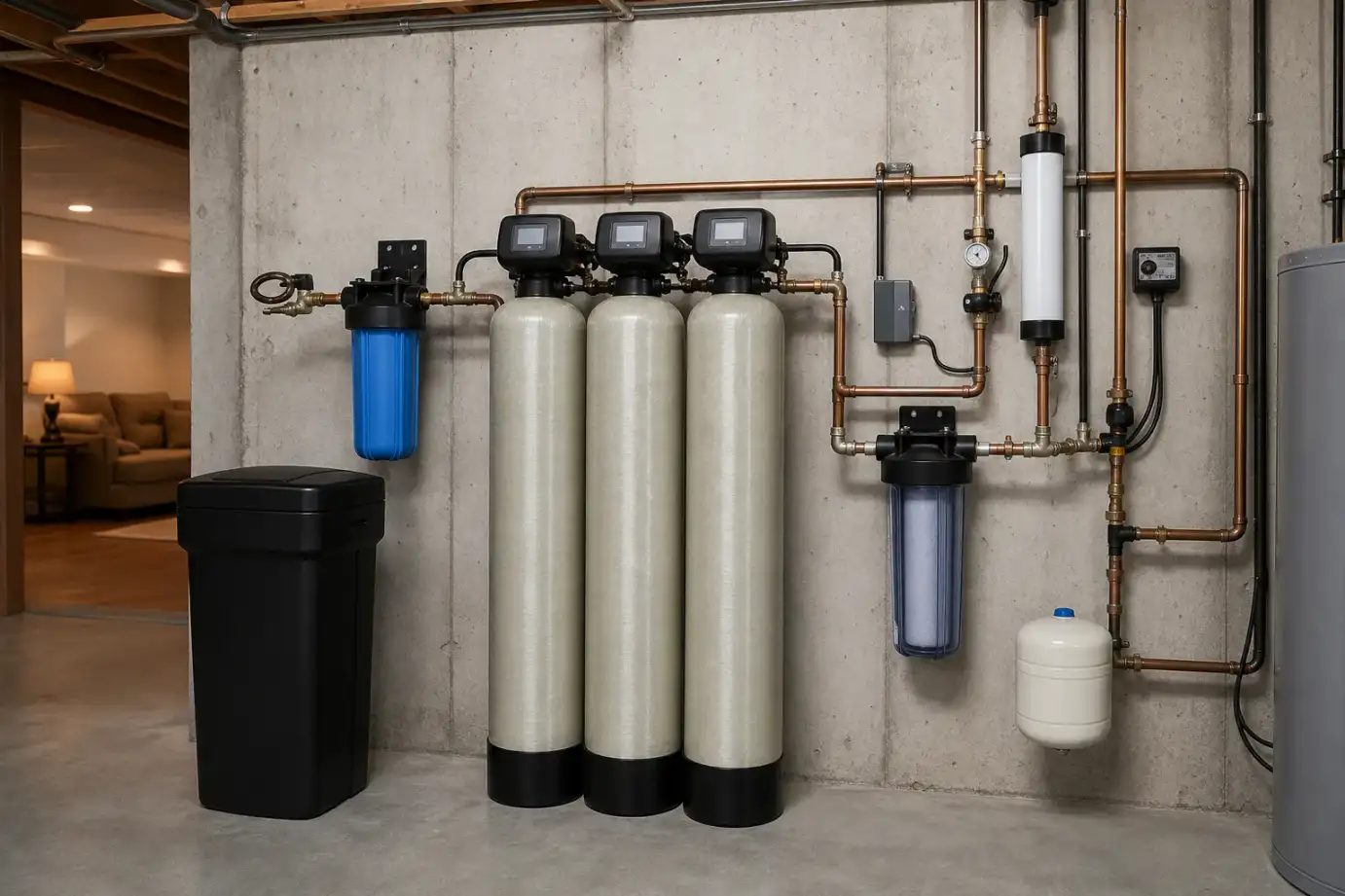
Good water treatment equipment can make a noticeable difference in a home or business. It can help reduce hard-water buildup, improve taste and odor, protect plumbing fixtures, and make everyday tasks like showering and washing dishes a little more pleasant. But there’s something homeowners sometimes forget: buying the equipment is only the beginning.
A water treatment system is still a working piece of equipment. It needs to be installed correctly, checked occasionally, and maintained as its filters, media, valves, tanks, or other components do their jobs.
Think of it like a car. You wouldn’t buy a new vehicle, park it in the driveway, and expect it to run perfectly for ten years without an oil change. Water treatment deserves much the same practical mindset.
Installation Sets the Tone
The installation process can have a bigger impact on system performance than many people realize. Even an excellent treatment system may not perform as intended if it’s incorrectly sized, poorly connected, or installed in an inconvenient location.
Professional installation helps make sure the equipment is connected properly to the home’s plumbing and configured according to the manufacturer’s requirements. Flow rates, drainage, electrical connections, bypass valves, and available installation space can all matter.
Choosing professional installation also gives homeowners an opportunity to ask questions before the system becomes part of the daily routine. Where is the shutoff? What does the bypass valve do? How often should filters be changed? What should you do if the system displays an error?
These might sound like small details, but when something goes wrong on a Saturday morning, you’ll be glad you know the answers.
Every System Needs a Little Attention
Water treatment systems spend their days doing something most people never see. Water flows through filters, tanks and other components, and unwanted minerals or substances are reduced along the way.
Over time, those components naturally need attention.
Filters become loaded with sediment or other material. Softener systems may need salt or potassium added. Valves and connections can require inspection. A reverse osmosis system may eventually need replacement filters or a new membrane.
Regular maintenance isn’t about fixing something that’s broken. In many cases, it’s about preventing small issues from becoming bigger and more expensive ones.
Why Maintenance Shouldn’t Be an Afterthought
It’s easy to postpone maintenance when everything appears to be working. The water still runs. The shower still turns on. The kitchen faucet hasn’t stopped producing water.
Then suddenly the water tastes different, pressure drops, or the system isn’t regenerating properly.
That’s why comprehensive maintenance can be valuable. A thorough service visit can look beyond the most obvious component and check whether the system is operating as it should.
Depending on the type of equipment, maintenance may include inspecting connections, checking settings, replacing filters, evaluating performance, cleaning components, or verifying that regeneration cycles are functioning correctly.
The exact schedule varies by system and household usage. A home with heavy water consumption may require attention more frequently than a lightly used property.
Don’t Forget About Salt and Potassium
For homeowners using a traditional water softener, keeping the brine tank supplied is one of those chores that’s easy to overlook.
A softener can’t continue its normal regeneration process indefinitely without the necessary supply. Let the tank run empty, and you may eventually notice hard-water symptoms returning.
This is where a salt & potassium delivery service can take one more item off the household to-do list. Instead of remembering to haul heavy bags home from the store, homeowners can arrange for the necessary product to be delivered on a regular schedule.
It’s a simple convenience, but sometimes simple is exactly what you want. Nobody wakes up excited to carry a heavy bag of salt through the garage.
Pay Attention to Changes in Your Water
Your water can sometimes tell you when a treatment system needs attention.
A sudden change in taste or odor deserves a closer look. So does visible scale, reduced water pressure, unusual noises from the equipment, or water that no longer feels the way it normally does.
Of course, not every change comes from the treatment system. Plumbing problems, municipal water changes, construction and other factors can affect water quality too.
Still, noticing these changes early is useful. Don’t simply assume they’ll disappear.
Keeping a basic maintenance record can help, particularly if you have multiple treatment components. Write down when filters were replaced, when service was performed and when salt or potassium was added. It takes a couple of minutes, and six months later you’ll be happy you did it.
Maintenance Can Protect Your Investment
Water treatment equipment isn’t something most people want to replace every few years. Proper care can help keep a system operating reliably and may reduce unnecessary wear.
That doesn’t mean maintenance guarantees a specific lifespan. Equipment eventually ages, and every component has its limits. But neglected systems can develop avoidable problems.
A dirty filter can restrict flow. Incorrect settings can affect treatment performance. A depleted supply can interfere with regeneration. Small leaks around fittings can become more troublesome if ignored.
Regular attention gives you a chance to catch those issues while they’re still manageable.
Choose Service With the Long Term in Mind
When comparing water treatment companies, installation price is only one piece of the puzzle.
Ask about ongoing service. Is maintenance available? Are replacement filters and components easy to obtain? Can the company help troubleshoot the system? Are delivery services available if your equipment requires regular salt or potassium?
These questions may not feel important while you’re shopping, especially when a salesperson is talking about new equipment and immediate benefits. But once the system is installed, service becomes a much bigger part of the experience.
A reliable provider should be willing to explain both the good and the not-so-glamorous parts of ownership.
The Best Systems Are the Ones You Don’t Have to Worry About
Water treatment should ultimately make life easier. You shouldn’t have to become an expert in valves, resin tanks, filter cartridges, regeneration cycles and plumbing connections just to keep your system running.
That’s why installation and ongoing care matter so much.
With the right equipment, proper setup and sensible maintenance, water treatment can quietly do its job in the background. You get cleaner-feeling water, fewer annoying mineral deposits, and a system that’s less likely to surprise you with an avoidable problem.
And really, that’s the sweet spot. Good water treatment isn’t about constantly thinking about your equipment. It’s about taking care of it well enough that you can forget it’s there — until the day you realize just how much easier everyday life has become.