Why Professional Water Treatment Installation and Ongoing Support Matter

Choosing a water treatment system for your home is an important decision, but purchasing the equipment is only part of the process. A softener, filtration unit, or drinking-water system needs to be installed correctly and maintained properly to deliver the results you expect. Even a high-quality system can underperform if it’s poorly sized, incorrectly connected, or neglected after installation.
That’s why the service surrounding a water treatment system matters just as much as the equipment itself. From the first water test to future filter changes, reliable guidance can make the entire experience easier. Homeowners shouldn’t have to become plumbing experts just to understand why their water tastes different or why a filter needs replacing.
Start With Understanding Your Water
Before any equipment is recommended, it’s worth understanding what’s actually in your water. Some homes deal with hard water, while others may experience sediment, iron, unpleasant odors, or specific contaminants. These issues can vary depending on the water source, plumbing, and local conditions.
A water test helps identify the characteristics that matter most. It can provide information about hardness, pH, iron, and other factors relevant to treatment. For private well owners, testing is particularly useful because groundwater quality can change over time.
This step prevents a common mistake: choosing a system because it worked for a friend or neighbor. Their water may be completely different from yours. The right treatment approach should be based on evidence, not assumptions.
Why Professional Installation Makes a Difference
Once the right equipment has been selected, professional installation helps ensure that the system is set up safely and correctly. Installation may involve plumbing connections, drainage lines, electrical requirements, bypass valves, pressure considerations, and other details that aren’t always obvious to a homeowner.
A trained installer can assess the available space, confirm that the system is compatible with the home’s plumbing, and make sure the equipment is configured according to the manufacturer’s requirements. Correct installation also helps reduce the risk of leaks, poor flow, or treatment problems caused by improper setup.
Sizing is another important consideration. A system that’s too small may struggle to keep up with household demand, while an oversized unit may cost more than necessary. Professional installers can consider water usage, flow rate, and treatment requirements when determining the appropriate configuration.
The goal isn’t simply to connect a device and leave. It’s to make sure the equipment works as part of the home’s water system.
What a Good Installation Process Should Include
A dependable installation process should begin with a clear explanation of what will happen. Homeowners should know where the equipment will be placed, how long the work is expected to take, and whether any changes to existing plumbing are necessary.
After installation, the technician should check connections, test the system, and explain basic operation. This may include showing the homeowner how to adjust settings, monitor performance, or recognize when maintenance is due.
It’s also reasonable to ask whether the installation includes a warranty, documentation, or follow-up inspection. Clear communication at this stage can prevent confusion later.
A professional service doesn’t need to be complicated or overly technical. In fact, the best installers are often the ones who explain things simply and answer questions without making homeowners feel uncomfortable for asking them.
Why Ongoing Support Shouldn’t Be Overlooked
Water treatment equipment is not a set-it-and-forget-it purchase. Filters need replacement, softeners may require salt or other supplies, and certain systems need periodic cleaning or servicing. This is where ongoing support becomes valuable.
A reliable service provider can help homeowners understand maintenance schedules and identify potential problems before they become expensive repairs. If water pressure changes, staining returns, or the taste of treated water becomes unusual, having someone available to provide guidance can save time and frustration.
Support may include scheduled maintenance, replacement filters, troubleshooting, and repairs. The exact services vary by provider and system, so it’s worth asking what is included before making a purchase.
A company that disappears after installation may leave homeowners searching for answers on their own. By contrast, a provider with dependable support can help extend the useful life of the equipment and keep performance more consistent.
Maintenance Protects Your Investment
Regular maintenance is essential for keeping a water treatment system working as intended. A filter that has reached the end of its service life may become less effective or restrict water flow. A softener that isn’t properly maintained may struggle to manage hardness. Other systems may require specific cleaning or component replacement.
The maintenance schedule depends on the technology, water quality, and household usage. A family using large amounts of water may need more frequent filter changes than a smaller household. Water with high sediment or iron levels may also place greater demands on treatment equipment.
Keeping a simple record of service dates can help. Many homeowners find it useful to set reminders for filter replacements and annual inspections. These small habits can prevent maintenance from becoming an afterthought.
Matching Equipment to Your Water Quality Needs
Every home has different water quality needs, and those needs should guide the treatment plan. A household concerned primarily about mineral scale may benefit from a water softener. Another home may need sediment filtration, iron removal, or a drinking-water system designed for specific contaminants.
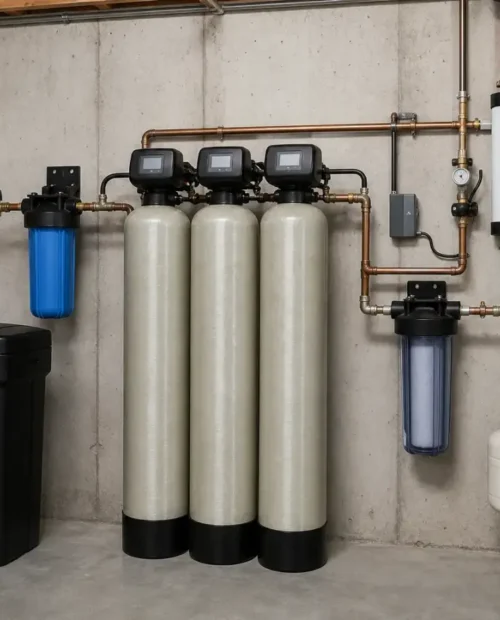
Some situations call for more than one treatment stage. For example, a sediment filter may protect downstream equipment, while a softener addresses hardness. A separate point-of-use system may be used for drinking water when additional treatment is desired.
The important thing is to understand what each component is designed to do. No single system removes every possible substance, and broad claims should always be checked against performance specifications and relevant certifications.
A knowledgeable provider should be willing to explain why a particular system is being recommended and what results can reasonably be expected.
Questions to Ask Before Hiring a Provider
Before choosing an installation company, homeowners should ask a few practical questions:
- Is water testing included, or is it recommended before the quote?
- Is the system sized according to household usage and water conditions?
- What does the installation service cover?
- Which parts and labor are included in the warranty?
- How often will filters or other components need replacement?
- Is ongoing maintenance available?
- What happens if the system develops a problem after installation?
The answers can reveal a lot about a provider’s approach. Clear pricing, realistic expectations, and straightforward explanations are usually more useful than impressive promises.
It’s also wise to check whether the company has experience with the specific type of system being installed. Different technologies have different requirements, and familiarity matters.
A Long-Term Approach to Better Water
A water treatment system should be viewed as a long-term part of the home, not simply a product delivered in a box. Proper installation helps establish reliable performance, while maintenance and support keep the system working as conditions change.
By testing your water, selecting suitable equipment, and working with a provider that stands behind its service, you can avoid many common problems. The result is more than cleaner or better-tasting water. It’s the confidence that your system is being cared for properly.
Good water treatment is an ongoing process, but with the right professional guidance, it doesn’t have to be a difficult one.