Understanding Sewer Inspections, Hydro Jetting, and Safe Gas Piping
Most homeowners don’t think much about what happens beneath their floors or outside their walls. Water enters through supply pipes, wastewater disappears down the drains, and gas—where available—supports everyday appliances. These systems work quietly in the background, until something goes wrong. Then, a strange smell, a slow drain, or an unexpected plumbing bill can quickly become a major concern.
The good news is that modern plumbing services offer more than basic repairs. Technologies such as sewer camera inspections and hydro jetting can help professionals identify and address difficult drainage problems. Meanwhile, properly designed gas piping systems support the safe operation of appliances. Understanding these services makes it easier to recognize warning signs and choose the right solution when needed.
Why Plumbing Problems Shouldn’t Be Ignored
A slow drain may seem like a minor inconvenience, especially when a little plunging gets the water moving again. But if the same problem returns repeatedly, there’s probably more going on beneath the surface. Grease buildup, tree roots, damaged pipes, or a narrowing sewer line can all contribute to recurring blockages.
Small leaks deserve attention, too. Water hidden behind a wall or beneath a floor can damage building materials over time. It may also create damp conditions that encourage mold growth. The longer a problem continues, the more complicated—and costly—the repair may become.
Professional plumbing services focus on finding the cause rather than simply treating the symptom. That distinction matters. A temporary fix can provide relief, but a proper diagnosis helps prevent the same issue from coming back a few weeks later.
What Is a Sewer Line Camera Inspection?
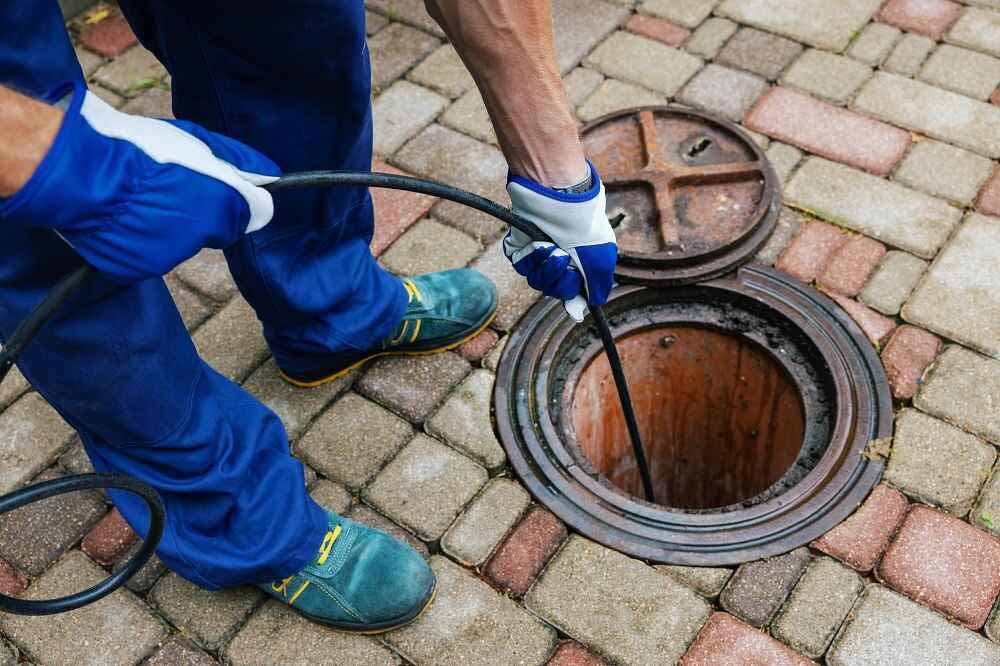
When a sewer line is suspected of having a blockage or structural problem, digging up the entire yard isn’t always the first step. A sewer line camera inspection allows a plumber to examine the inside of the pipe using a specialized waterproof camera.
The camera is typically inserted through an existing access point or cleanout and guided through the sewer line. As it moves, it sends images to a monitor, allowing the technician to look for issues such as:
- Tree root intrusion
- Cracks or fractures
- Grease and debris buildup
- Misaligned pipe sections
- Collapsed or damaged areas
- Corrosion or deterioration
- Objects obstructing the line
This approach can make the diagnostic process much more precise. Instead of guessing where a blockage might be located, the plumber can identify its position and assess the condition of the surrounding pipe.
Camera inspections are especially useful when drains repeatedly back up, a property has older sewer lines, or a homeowner is considering purchasing a house. Knowing the condition of underground plumbing can help prevent unpleasant surprises after moving in.
When Hydro Jetting May Be the Right Solution
Some sewer and drain blockages are too stubborn for ordinary snaking methods. In these situations, hydro jetting may offer a more thorough cleaning approach. This process uses highly pressurized water to break apart buildup and wash debris from the inside of a pipe.
Unlike a traditional drain snake, which generally creates a passage through a blockage, hydro jetting can clean a larger portion of the pipe’s interior. It may be effective against grease, sludge, mineral deposits, and certain types of buildup.
However, hydro jetting isn’t suitable for every plumbing system. Severely damaged, fragile, or collapsed pipes may not be able to withstand the pressure. That’s why a professional assessment is important before the service begins. In some cases, a camera inspection is recommended first to determine whether the pipe is structurally sound.
When used appropriately, hydro jetting can help restore drainage performance and reduce the likelihood of recurring buildup. It’s not a universal cure, but it can be a valuable tool for the right situation.
Recognizing Common Sewer Line Warning Signs
Sewer problems often provide clues before they become a full-scale emergency. Paying attention to these signs can help homeowners act early.
A few warning signs include:
- Multiple drains becoming slow at the same time
- Unpleasant sewage odors near drains or outdoors
- Gurgling sounds from toilets or sinks
- Water backing up into showers or floor drains
- Unusually lush or soggy patches in the yard
- Repeated blockages despite routine cleaning
If several fixtures are affected at once, the problem may be located in a main drain or sewer line rather than a single household fixture. A professional inspection can help determine the source and prevent further damage.
Sewer backups should be treated seriously. Wastewater can contain harmful contaminants, so avoid direct contact and seek professional help if sewage enters the home.
Understanding Gas Piping in Residential Properties
Gas-powered appliances can provide efficient cooking, heating, and hot water, but their performance depends on a properly designed and maintained supply system. gas piping refers to the network of pipes and fittings that carries fuel from the gas supply to appliances such as stoves, furnaces, boilers, or water heaters.
Gas piping work requires careful planning. The system must be appropriately sized, correctly installed, and compliant with local building and safety regulations. Improper connections, damaged pipes, or poor ventilation can create serious hazards.
Qualified professionals may handle gas line installation, repairs, inspections, and modifications. Before hiring someone, homeowners should confirm that the contractor is licensed or authorized to perform gas-related work in their area.
If you smell gas inside a property, don’t try to locate the leak yourself. Avoid flames, don’t operate electrical switches, leave the area if necessary, and contact the gas utility or emergency services from a safe location. Safety should always come first.
Why Professional Gas Line Work Matters
Gas systems are not a suitable place for guesswork or improvised repairs. Even a small installation mistake can have serious consequences. Professional technicians understand how to assess pipe sizing, pressure, connections, shut-off valves, and ventilation requirements.
If you’re remodeling a kitchen, adding a gas appliance, or converting from electric to gas, it’s important to plan the work properly. The existing system may need to be evaluated to determine whether it can safely support the additional demand.
A qualified plumber can also explain maintenance requirements and identify signs of wear or damage. Regular attention is particularly valuable in older properties where piping materials or installation methods may no longer meet current standards.
Choosing the Right Plumbing Professional
Not every plumbing company offers the same services or level of experience. Before hiring one, look for licensing, insurance, relevant qualifications, and a history of reliable work. Ask whether the company has experience with sewer diagnostics, high-pressure drain cleaning, or gas-related projects, depending on your needs.
A clear estimate should explain the proposed work, materials, labor, and any possible additional charges. Be cautious of companies that recommend major repairs without inspecting the problem or explaining why the work is necessary.
Good communication matters, too. A professional should be willing to answer questions and explain the available options in plain language.
A Smarter Approach to Plumbing Maintenance
Plumbing maintenance is easier when homeowners pay attention to small changes. Avoid flushing inappropriate items, keep grease out of drains, and address recurring blockages instead of repeatedly masking them. Know where your main water shut-off valve is located, and make sure household members understand how to respond to emergencies.
For sewer systems, early diagnosis can prevent extensive excavation and property damage. For gas systems, professional installation and prompt attention to warning signs are essential.
Ultimately, the best plumbing decisions come from understanding the problem before choosing the solution. Whether you need a camera inspection, specialized drain cleaning, or gas piping work, informed maintenance can protect your home, improve system performance, and provide peace of mind for years to come.