How to Choose the Right Water Filtration System for Your Home
There’s a certain comfort in turning on the kitchen tap, filling a glass, and getting on with your day without giving the water a second thought. But when the taste seems a little off, white marks keep appearing around the faucets, or your kettle develops a stubborn layer of scale, it’s natural to start wondering what’s actually coming through your pipes.
Water quality varies from one home to another. Some households deal with hard water, others want to reduce chlorine taste and odor, and some need to address specific contaminants identified through testing. The good news is that several treatment options are available, and choosing the right one doesn’t have to be complicated.
The trick is to understand what each system does, where it works best, and whether it solves a problem your household actually has.
Start With Your Water Quality
Before shopping for filtration equipment, take a closer look at your water supply. Municipal water is generally treated and monitored, but its quality at the tap can still be affected by aging plumbing, local distribution issues, or conditions inside the home. Private wells have different concerns, including naturally occurring minerals and possible contamination from surrounding land.
Your senses can offer clues, but they’re not a reliable safety test. A chlorine smell might suggest disinfectant in the water, while chalky deposits often indicate hardness. However, certain contaminants have no noticeable taste, smell, or color.
A water quality report from your local supplier is a useful starting point. If you’re concerned about a particular contaminant, or if you use a private well, consider testing through a qualified laboratory.
The results help you avoid buying equipment that doesn’t address the real issue. After all, there’s little point spending money on a sophisticated filtration system if the problem is simply mineral hardness that requires a different treatment method.
Whole-Home Filtration for Everyday Convenience
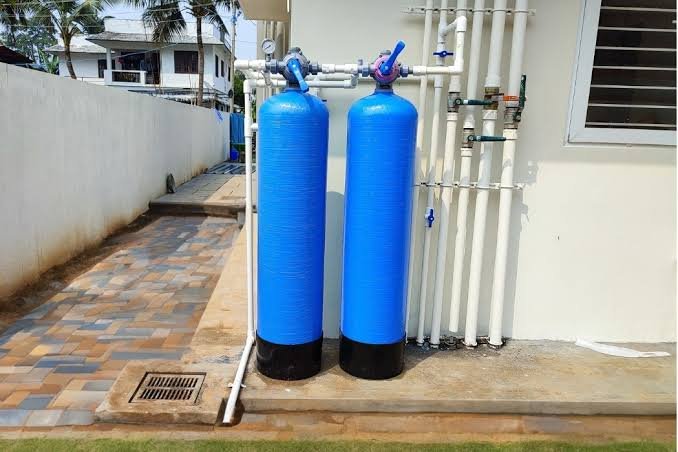
Imagine having water treated before it reaches the kitchen sink, bathroom shower, washing machine, and other fixtures. That’s the basic idea behind a whole home water filter. Installed where the main water line enters the property, it treats water supplied throughout the house.
These systems can be particularly useful when sediment, chlorine taste and odor, or certain other substances are concerns across multiple taps. The treatment depends on the filter media and the model selected. A sediment filter, for example, captures suspended particles, while suitable activated carbon filters can reduce chlorine and certain chemicals.
For families, the convenience is appealing. There’s no need to rely on separate filters at several faucets, provided the central system is designed to handle the household’s needs.
Still, whole-home filtration isn’t a universal solution. A standard carbon filter won’t necessarily remove dissolved salts, soften hard water, or eliminate every harmful microorganism. Some contaminants require specialized media or additional treatment stages.
Pay attention to flow rate, too. A system that works well for a small household may struggle when several showers, taps, and appliances run simultaneously. Check the manufacturer’s performance claims, relevant certifications, filter replacement costs, and recommended service intervals before making a purchase.
Why Hard Water May Need a Different Approach
If your bathroom fixtures develop white crusty deposits, soap leaves a film on the shower screen, or your kettle needs frequent descaling, hard water may be the culprit.
Hard water contains dissolved calcium and magnesium. These minerals aren’t generally considered harmful at typical drinking-water concentrations, but they can create practical problems around the home. Scale can accumulate inside water heaters and appliances, sometimes reducing efficiency and increasing maintenance needs.
This is where water softeners can help. Conventional ion-exchange systems replace calcium and magnesium ions with sodium or potassium ions, reducing the hardness responsible for scale formation.
Many households notice the difference in cleaning and appliance maintenance. Glassware may come out of the dishwasher with fewer mineral spots, and showerheads may stay cleaner for longer. The exact benefits depend on the original water hardness and how the system is used.
A softener, however, isn’t the same as a drinking-water purifier. It doesn’t automatically remove bacteria, pesticides, or every unwanted chemical. If testing identifies other concerns, additional treatment may be necessary.
Salt-based softeners also require regular replenishment and discharge wastewater during regeneration. Households concerned about sodium intake should consider how softening affects drinking water and whether a separate drinking-water tap or alternative technology makes sense.
Testing water hardness first can prevent unnecessary spending.
Reverse Osmosis for Drinking and Cooking
Sometimes the main goal is simply to improve the water used for drinking, cooking, and making everyday beverages. In that situation, a dedicated under-sink system may be more practical than treating every drop of water entering the house.
A reverse osmosis water filter uses pressure to push water through a semipermeable membrane that reduces many dissolved substances. Depending on the model, additional stages may reduce sediment, chlorine, and other targeted contaminants.
Reverse osmosis can be especially useful when testing shows that particular dissolved substances need to be reduced. Some certified systems can reduce lead, arsenic, dissolved salts, and other contaminants, but the performance varies from one product to another. Always check which substances the specific model has been tested to reduce.
These systems typically supply a separate faucet near the kitchen sink. That’s convenient for filling bottles, preparing meals, and making tea or coffee without treating water used for laundry or bathing.
There are a few trade-offs. Many conventional systems send some water to a drain, filter cartridges and membranes need periodic replacement, and the equipment takes up space beneath the sink. Water may also collect in a storage tank before use, depending on the design.
Some models include remineralization stages to adjust taste. Whether this is worthwhile depends on personal preference and the system’s specifications.
Can You Combine Filtration and Softening?
Yes, and sometimes a combination is the most sensible option. A household might use whole-home filtration to reduce sediment and chlorine while installing a softener to address hard water. A separate reverse osmosis unit could then provide additional treatment for drinking and cooking water.
Each component has a specific job. Filtration targets substances covered by the chosen media, softening controls hardness, and reverse osmosis reduces many dissolved contaminants. Combining them doesn’t automatically make water safe, though; the treatment stages must match the actual water quality concerns.
The order of installation also matters. Sediment pretreatment may protect sensitive equipment, while other stages may be needed to manage particular contaminants. A qualified installer can help determine the right arrangement.
Avoid buying a system simply because it has more stages or a longer list of features. Extra components can mean higher maintenance costs without providing meaningful benefits for your water supply.
Keep Your System Working Properly
Even a well-chosen filtration system needs regular care. Filters gradually become exhausted, membranes can lose performance, and neglected equipment may stop delivering the results you expect.
Follow the manufacturer’s maintenance instructions and keep a record of cartridge changes, service visits, and water test results. If your water develops a new smell, changes color, or tastes noticeably different, investigate the cause rather than assuming a filter replacement will solve everything.
For systems intended to reduce specific health-related contaminants, periodic testing may help confirm that treatment remains effective. Professional servicing is particularly useful when equipment has multiple treatment stages or requires specialized maintenance.
Make the Choice That Fits Your Household
Choosing a water treatment system doesn’t have to mean buying the most expensive equipment available. Start with reliable information about your water, identify the problems that matter, and compare products based on their verified capabilities and long-term costs.
A whole-home filter may suit one property, while another may benefit more from a softener or a dedicated reverse osmosis system. Sometimes, a combination is appropriate.
What matters is choosing technology that solves a genuine problem and maintaining it properly. With a little research and the right advice, you can improve your household’s water quality without wasting money on equipment you don’t need. And that’s a much better place to start than guessing what’s wrong every time the kettle needs cleaning.