Why Better Water Quality Starts With the Right Treatment Approach
Water is easy to overlook when everything seems normal. Turn on the kitchen tap, fill a glass, take a shower, start the washing machine — it all happens without much thought. But when water begins tasting strange, leaving spots on dishes, smelling unusual, or creating scale around fixtures, it suddenly becomes impossible to ignore.
The good news is that improving household water quality doesn’t always require a complicated solution. The smartest place to begin is with understanding what is actually in your water and what you want your treatment system to accomplish. Once those two things are clear, choosing the right equipment becomes much less confusing.
For most households, the goal is simple: reliable clean water that feels good to use every day while also protecting plumbing, appliances, and the people living in the home.
Start by Understanding Your Water
Water quality can vary dramatically from one property to another. Even homes in the same neighborhood may experience different issues because of plumbing age, water sources, mineral levels, or local infrastructure.
Municipal water is generally treated before distribution, but treatment at the source doesn’t mean every home receives water with identical characteristics. Chlorine taste, sediment, hardness, and other concerns can still affect the experience at the tap.
Private wells have their own considerations. Groundwater can contain naturally occurring minerals, iron, sulfur, sediment, or other substances depending on local geology. Well conditions can also change over time, making periodic testing particularly useful.
A professional water test provides information that taste and appearance simply can’t. Clear water isn’t automatically problem-free, and water that looks slightly cloudy isn’t necessarily dangerous. Testing replaces assumptions with useful information.
Hard Water Is More Than an Annoyance
One of the most common household water concerns is hardness. Calcium and magnesium are naturally occurring minerals, but elevated levels can leave a noticeable mark on everyday life.
You might see chalky deposits around faucets or white spots on glassware. Shower doors can become harder to keep clean. Soap may not lather as easily, and mineral buildup can accumulate inside plumbing fixtures and appliances.
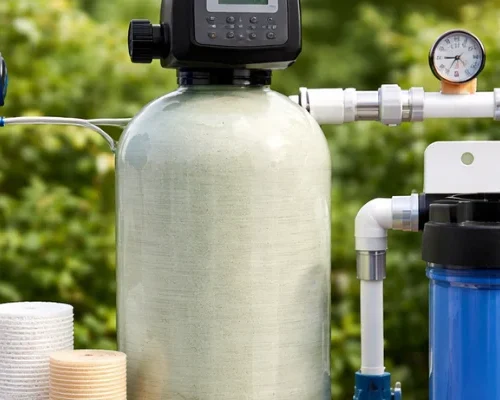
Over time, scale can affect water heaters and other equipment, potentially reducing efficiency. That’s one reason homeowners often consider a water softener when hardness is confirmed through testing.
A softener isn’t designed to solve every water-quality issue. Its job is primarily to address hardness minerals. Knowing that distinction helps prevent homeowners from expecting one device to handle problems it wasn’t designed for.
Filtration Depends on the Problem
Water filters aren’t all built for the same purpose. Some are designed to remove sediment, while others target chlorine, taste, odors, or specific contaminants.
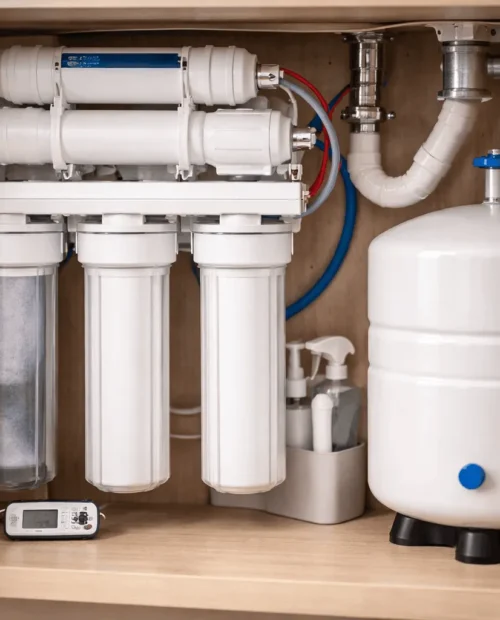
Activated carbon filtration is commonly used when taste and odor are concerns. Sediment filters can capture physical particles before they travel farther into the plumbing system. Reverse osmosis systems can provide more extensive treatment for drinking water by reducing many dissolved substances.
There’s no prize for having the most filtration stages. In fact, adding equipment without understanding why it’s needed can make maintenance harder and increase costs.
The better question is: What does your water need?
Once you know that, selecting a suitable treatment method becomes much more straightforward.
Water Quality and Everyday Well-Being
People often think about water treatment mainly in terms of taste or household convenience. Those things matter, of course, but water quality also plays a role in maintaining a comfortable, hygienic home environment.
Good-quality water makes everyday tasks easier. It can make showers more pleasant, reduce mineral residue on surfaces, and help prevent unnecessary buildup in fixtures. For drinking and cooking, many homeowners simply want confidence that their water has been appropriately treated for its intended use.
That doesn’t mean every water treatment system should make broad health claims. Treatment should be based on identified water-quality concerns and appropriate testing rather than marketing promises.
Ultimately, healthy, clean water begins with knowing what you’re treating and using equipment designed for that specific purpose.
Don’t Ignore Your Plumbing
Water treatment and plumbing aren’t separate worlds. What happens inside the pipes can influence the quality and performance of the water system.
Old or deteriorating plumbing may contribute sediment or discoloration. Excessive hardness can encourage scale. Poor pressure can affect fixtures and appliances. Small leaks can cause damage long before anyone notices them.
This is why a complete evaluation should consider more than the treatment equipment itself. A professional can look at water pressure, pipe condition, flow requirements, equipment placement, drainage, and other practical details.
It’s a bit like maintaining a car. Changing the oil is useful, but if the tires are nearly bald, there’s another problem waiting to be dealt with.
Homes and Businesses Have Different Needs
Residential water treatment is usually designed around household consumption and comfort. Commercial properties can have significantly different requirements.
Restaurants, offices, healthcare facilities, manufacturing operations, hospitality businesses, and other commercial environments may use much larger volumes of water. Some also have specialized requirements related to production processes, cleaning, food preparation, equipment protection, or water quality standards.
This is where a full-service home & commercial water treatment approach can be useful. Instead of treating every property as though it has the same needs, a full-service provider can assess the source water, usage patterns, available space, treatment goals, and maintenance requirements before recommending equipment.
The right system for a small home kitchen won’t necessarily make sense for a busy commercial facility. Capacity matters, and so does reliability.
Maintenance Is Part of the Solution
Even an excellent treatment system won’t perform indefinitely without maintenance. Filters eventually need replacement. Softener systems may require salt or servicing. Pumps, tanks, valves, and connections can also need inspection.
Homeowners sometimes wait until something goes wrong before scheduling maintenance. That’s understandable — life gets busy. But preventive care is usually less stressful than emergency repairs.
Keep a simple record of filter replacements and service dates. Pay attention to changes in water pressure, taste, smell, or appearance. If something suddenly seems different, don’t simply assume the equipment is fine because it’s still running.
A treatment system is a working piece of infrastructure. It deserves the same basic attention you’d give other important equipment in the house.
Choosing a System Without Overbuying
It’s easy to get distracted by features. Smart controls, multiple filtration stages, large tanks, advanced monitoring — modern systems can offer plenty of options.
But technology should solve a problem, not create another one.
Start with a water test. Identify the main concerns. Estimate household or business demand. Then consider the equipment’s capacity, operating costs, maintenance schedule, warranty, installation requirements, and expected service life.
Don’t focus only on the purchase price. A cheaper system that requires frequent replacement parts or consumes more resources may cost more over several years.
A trustworthy water professional should also explain why a particular system is being recommended. If you don’t understand what a component does, ask. Good advice should make the decision clearer, not more mysterious.
Better Water Starts With Better Decisions
There isn’t one perfect water treatment system for every home or business. Water sources differ. Plumbing differs. Household habits differ. Commercial operations can have entirely different requirements.
What does remain consistent is the value of a thoughtful process: test first, understand the results, identify the real issue, choose appropriate treatment, and keep the system maintained.
That approach may sound simple, but simple is often exactly what homeowners need. You shouldn’t have to become a water-treatment expert just to get dependable water from your kitchen tap.
When the system is properly matched to the property, water treatment becomes something you barely notice — which, in many ways, is the point. The equipment works quietly in the background while you get on with the things that actually matter: cooking dinner, taking a long shower, running the laundry, opening the tap for a glass of water, and getting on with another ordinary day.