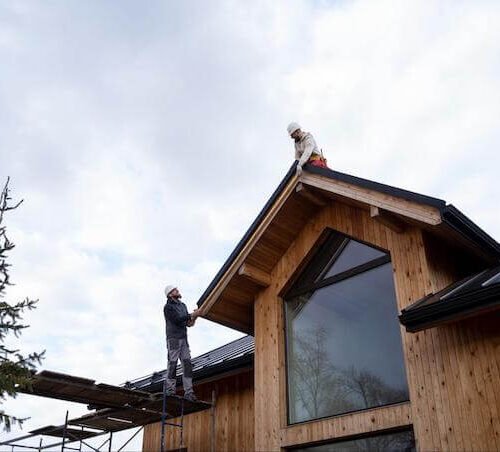
The Decision People Keep Putting Off

Roof repair vs replacement is one of those decisions homeowners avoid until a leak forces the issue. That’s understandable — replacement is expensive — but delaying the decision usually makes the eventual cost worse, not better.
1. How Old Is the Roof, Really?
Most roofing materials have a realistic lifespan — concrete roofs typically last 20-30 years with proper waterproofing, while metal sheet roofing runs shorter, around 15-20 years depending on maintenance. If you’re near or past that range, repairs become a temporary patch, not a real fix.
Quick answer: In the roof repair vs replacement decision, age is the single biggest factor — if your roof is within 3-5 years of its expected lifespan, repeated repairs typically cost more over time than a single replacement.
2. How Widespread Is the Damage?
A single isolated leak or crack is usually a repair situation. Multiple leak points, widespread cracking, or damage across more than 25-30% of the roof surface generally tips the scale toward replacement being the more economical choice.
3. Frequency of Repairs Tells Its Own Story
If you’ve called someone out for the same general area three times in two years, that’s not really repair anymore — it’s a slow-motion replacement happening in expensive installments.
4. Cost Comparison — The Numbers That Matter
- Minor repair (crack sealing, patch waterproofing): ₹3,000–₹15,000
- Major repair (partial re-roofing, multiple leak points): ₹25,000–₹70,000
- Full replacement (mid-size home): ₹1.5–4 lakh depending on material and roof size
Quick answer: For a mid-sized Indian home, full roof replacement typically runs ₹1.5–4 lakh depending on material choice, while major repairs land in the ₹25,000–70,000 range — repeated major repairs within a short span usually cross the replacement threshold in total cost.
5. Structural Damage Changes the Calculation
If water has penetrated deep enough to affect the underlying structure — wood rot, rusted supports, weakened concrete — repair alone won’t address the root cause. This is a clear replacement signal, not a repair one.
6. Consider the Waterproofing Layer Separately
Sometimes it’s not the roof structure itself that’s failed, just the waterproofing membrane on top. Re-waterproofing is significantly cheaper than full replacement and can extend a roof’s usable life by several years. [link to related guide about home maintenance signs here]
7. Weather and Timing Matter
Never start major roofing work right before or during monsoon — timing repairs or replacement for the pre-monsoon window (Feb-April) gives materials time to properly cure and reduces the risk of work being disrupted mid-project.
8. Get a Second Opinion Before Committing to Replacement
Some contractors default to recommending full replacement because it’s a bigger job. If your roof is under 15 years old and damage is localized, get a second inspection before agreeing to a full replacement quote.
FAQ
Q: How do I know if my roof needs repair or full replacement? Consider age, extent of damage, and repair frequency together — a roof nearing its lifespan with widespread or recurring issues usually needs replacement rather than another patch.
Q: What’s the average lifespan of a roof in India? Concrete roofs with proper waterproofing last 20-30 years; metal sheet roofing typically lasts 15-20 years depending on maintenance and climate exposure.
Q: Is roof repair a waste of money if replacement is inevitable? Not necessarily — a repair that buys 2-3 more years can make financial sense if you’re planning to sell or move soon.
Q: How much does a full roof replacement cost in 2026? For a mid-sized home, expect ₹1.5–4 lakh depending on roofing material and total area.
Q: What’s the best time of year to replace a roof? February through April, well before monsoon, gives materials time to cure properly and avoids work disruption from rain.
Conclusion
The roof repair vs replacement decision really comes down to three things: age, extent of damage, and how often you’re already calling someone out. If you’re facing your third repair call in two years on a roof past its expected lifespan, replacement is very likely the more economical path, even though it hurts more upfront. Get a proper inspection before deciding either way — don’t rely on a single contractor’s recommendation alone.
Suggested alt text: “Contractor inspecting roof damage before repair decision” Suggested alt text: “Full roof replacement in progress on residential home”