Not All Upgrades Pay Off Equally
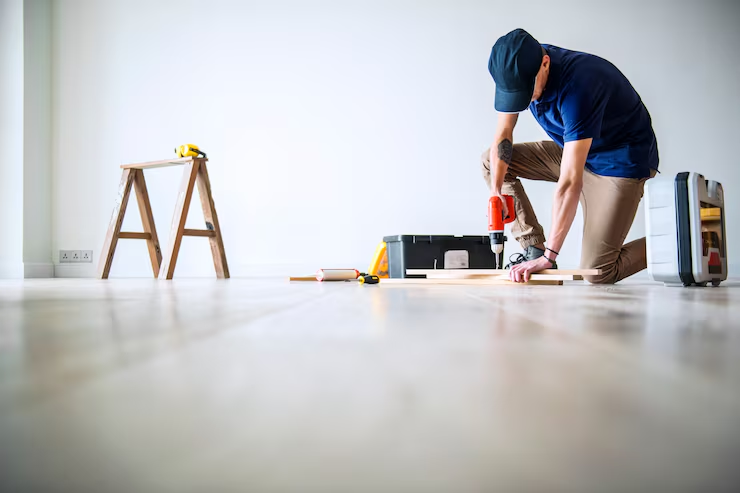
People spend money on the wrong things when trying to increase property value. I’ve seen homeowners install expensive fixtures that buyers barely notice, while skipping the cheap fixes that actually influence a buyer’s first impression.
1. Kitchen and Bathroom Updates Return the Most
These two rooms consistently top buyer priority lists. You don’t need a full renovation — updated countertops, fresh cabinet fronts, and modern fixtures can meaningfully shift a buyer’s perception without a huge spend. [link to related guide about kitchen renovation cost here]
Quick answer: Kitchen and bathroom updates consistently deliver the strongest return when trying to increase property value — buyers weigh these two rooms more heavily than almost any other space in the home.
2. Fresh Paint Is the Cheapest High-Impact Fix
A repaint, especially in neutral tones, is one of the least expensive ways to make a property show better. Dated or overly personal wall colors can actively turn buyers off during viewings.
3. Fix Visible Maintenance Issues Before Listing
Cracks, peeling paint, leaking taps — these signal neglect to a buyer, even if the underlying structure is fine. Fixing them before listing changes the entire first impression. [link to related guide about home maintenance signs here]
4. Improve Curb Appeal
The exterior and entrance are the very first thing a buyer sees, often before they’ve even stepped inside. A clean facade, tidy entrance, and functioning doorbell/intercom genuinely shape first impressions more than people expect.
5. Don’t Over-Invest in Ultra-Personal Upgrades
Highly customized features — unusual paint colors, very specific built-in furniture — often don’t add value proportional to their cost, because buyers have to imagine removing or replacing them.
Quick answer: Highly personalized or unusual upgrades typically don’t help increase property value proportional to their cost, since buyers mentally discount features they’d need to change or remove.
6. Storage Space Matters More Than People Realize
Buyers consistently rank storage — built-in wardrobes, kitchen storage, utility space — as a major factor. Adding smart storage solutions is often cheaper than a full renovation and genuinely moves buyer interest.
7. Flooring Condition Affects Perceived Value Directly
Worn, stained, or mismatched flooring is one of the fastest ways to lower a buyer’s mental valuation of a property, even if everything else is in good shape. [link to related guide about flooring comparison here]
8. Documentation and Clean Legal Status
This one’s not physical, but it matters: clear title, updated property tax records, and no pending society dues make a property more attractive and can genuinely speed up — and improve — the final sale price, since buyers pay a premium for reduced hassle.
FAQ
Q: What renovations give the best return when trying to increase property value? Kitchen and bathroom updates, followed by fresh paint and improved storage solutions.
Q: Is it worth doing a full renovation before selling? Usually not — targeted fixes (paint, minor kitchen/bath updates, fixing visible issues) offer better ROI than a full renovation before sale.
Q: Does curb appeal actually affect property value? Yes — first impressions genuinely shape a buyer’s perceived value before they’ve even walked through the door.
Q: How much should I budget for pre-sale improvements? As a rough guideline, 1-3% of the property’s value spent on strategic fixes typically pays for itself in a better sale price and faster sale.
Q: Do buyers care about legal documentation as much as physical condition? Increasingly, yes — clean title and clear records reduce buyer hesitation and can meaningfully speed up negotiations.
Conclusion
If your goal is to genuinely increase property value, prioritize the kitchen, bathroom, paint, and visible maintenance fixes over expensive, highly personalized upgrades. Buyers respond to cleanliness, functionality, and a sense that the property has been well cared for — often more than they respond to luxury finishes. Start with the cheapest, highest-impact fixes first, and only go bigger if your budget and timeline genuinely allow it.
Suggested alt text: “Freshly painted home exterior improving curb appeal before sale” Suggested alt text: “Updated kitchen countertop increasing property resale value”