Best Smart Home Security Systems for 2026
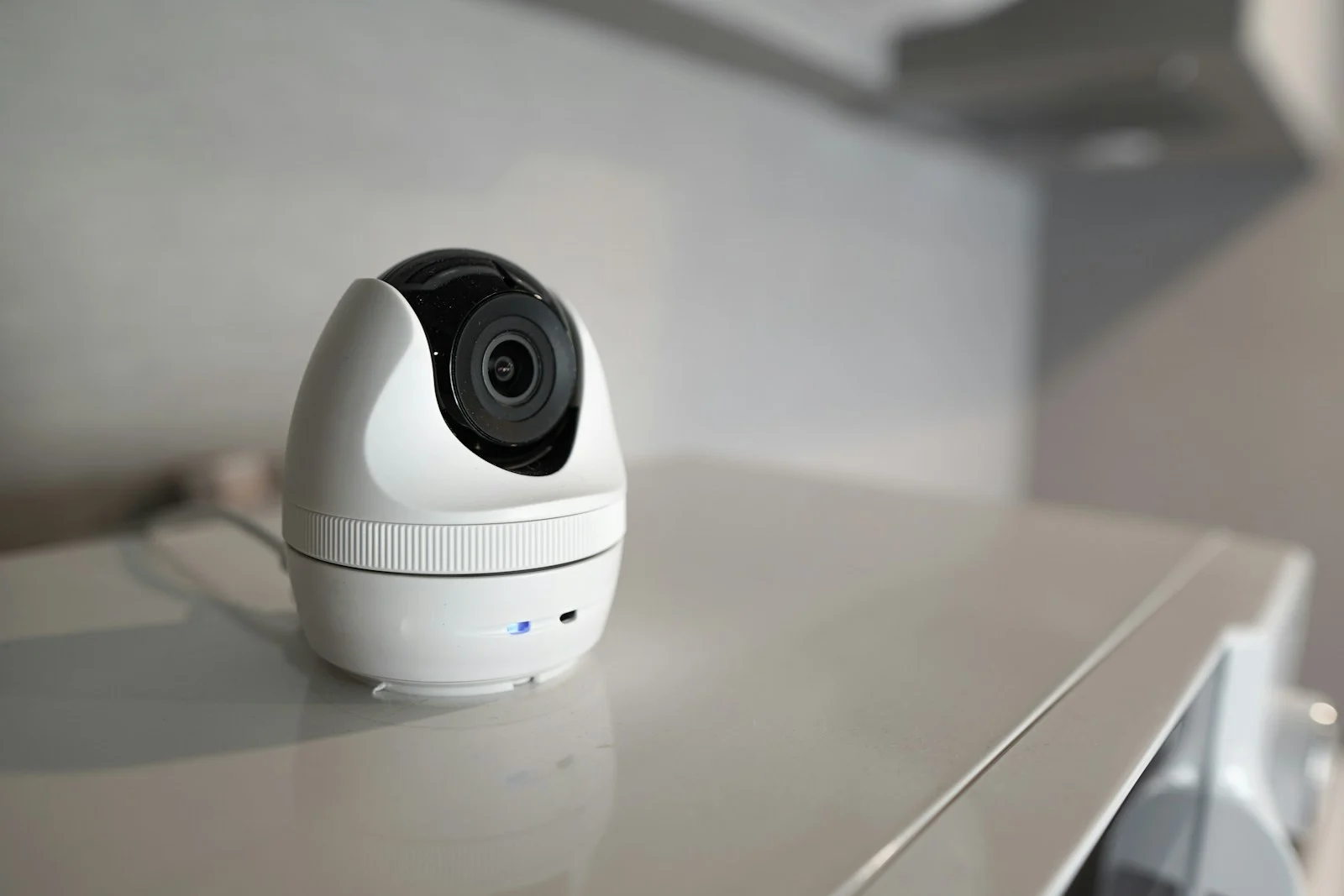
A few years back, home security meant a chowkidar and maybe a loud dog. Now, smart home security systems have made it possible to monitor your entire house from your phone, no matter where you are. In 2026, these systems have gotten smarter, cheaper, and honestly, a lot easier to set up yourself.
What Makes a Smart Home Security System “Smart”
It’s not just about cameras anymore. Modern smart home security systems connect motion sensors, door alarms, and cameras into one app, often with AI that tells the difference between a person and a stray cat walking past.
Quick answer: the best smart home security systems in 2026 combine AI-based motion detection, mobile alerts, cloud storage, and easy DIY installation — without requiring a monthly monitoring contract for basic use.
Key Features to Look For
- Two-way audio on cameras
- Night vision with clear resolution
- Local storage option, not just cloud
- Integration with smart locks and doorbells
Wired vs Wireless Systems
Wireless systems are far easier to install, especially for renters. Wired systems tend to be more reliable long-term but need proper planning during construction or renovation.
Budget Options That Still Work Well
- Basic WiFi camera with app alerts — starting around ₹2,000-3,000
- Video doorbell with motion detection — ₹4,000-6,000
- Multi-camera kits with hub — ₹10,000-15,000
Premium Systems Worth the Investment
For larger homes or those wanting professional monitoring, premium systems with 24/7 monitoring services can run ₹20,000+ upfront plus a monthly fee. Worth it if you travel often or live alone.
Common Mistakes When Setting Up Home Security
I’ve seen people place cameras facing straight into sunlight, which ruins the footage quality during the day. Position cameras to avoid direct glare, and always check the blind spots around entry points.
Do You Need Professional Monitoring?
Not necessarily. Self-monitored systems with phone alerts work fine for most households. Professional monitoring makes more sense for large properties or if you’re frequently away for long periods.
Privacy Considerations
Smart security systems collect a lot of data. Always check where footage is stored, whether it’s encrypted, and who has access — especially with cloud-based systems.
Frequently Asked Questions
What is the best smart home security system for a small apartment? A basic WiFi camera with a video doorbell usually covers apartment needs without a big investment.
Do smart home security systems need internet to work? Yes, most rely on WiFi for real-time alerts, though some have local storage as backup during outages.
How much does a smart home security system cost in 2026? Basic setups start around ₹2,000-3,000, while comprehensive multi-camera systems can run ₹15,000 or more.
Is professional monitoring necessary? Not for most homes — self-monitoring through an app works well unless you need round-the-clock oversight.
Can smart security systems be hacked? Like any connected device, they carry some risk, so strong passwords and regular firmware updates are important.
Conclusion
Smart home security systems in 2026 offer real peace of mind without needing a huge budget or technical expertise. Start with the basics — a camera at your main entry point — and expand from there based on what your home actually needs. Better to start small than not start at all.
Suggested image alt text: “smart home security camera installed at front door”