You Don’t Need a Green Thumb, Just the Right Plants
I used to think a nice garden required constant attention. Turns out, a genuinely good low-maintenance garden is more about smart plant selection than effort. Pick the wrong plants and you’re watering daily; pick the right ones and a weekly check is plenty.
1. Choose Native and Drought-Tolerant Plants First
Plants native to your region — or at least suited to Indian climate zones — need far less babying. Areca palm, money plant, aloe vera, and bougainvillea all thrive with minimal intervention once established.
Quick answer: The single biggest factor in building a low-maintenance garden is plant selection — native, drought-tolerant species like bougainvillea and aloe vera need a fraction of the water and care that imported ornamental varieties require.
2. Group Plants by Watering Needs
Nothing wastes more effort than mixing high-water and low-water plants in the same bed — you end up overwatering one or underwatering the other. Zone your garden so similar needs sit together.
3. Mulch Everything
A 2-3 inch layer of mulch (dried leaves, bark, or coconut husk) cuts watering frequency significantly by locking moisture into the soil and suppressing weeds. It’s cheap and it’s the single easiest change most gardens are missing.
4. Skip the Lawn, or Shrink It
Lawns are genuinely one of the highest-maintenance garden features — regular mowing, watering, and edging. Replacing part of a lawn with groundcover plants or gravel paths cuts weekly work dramatically.
5. Invest in Drip Irrigation
A basic drip irrigation setup costs relatively little and removes daily watering from your to-do list entirely. Set it on a timer and you’re done thinking about it for weeks at a stretch.
Quick answer: Drip irrigation is the single upgrade that does the most to reduce ongoing garden work — a basic timer-based setup can cut manual watering to almost zero, even for a moderately sized low-maintenance garden.
6. Use Perennials Over Annuals
Annuals need replanting every season; perennials come back year after year with minimal replanting. Hibiscus, plumeria, and marigold (in warmer zones) are reliable low-effort choices.
7. Container Gardens for Flexibility
If you’re not confident in your garden layout yet, containers let you experiment without commitment — and they’re easier to move, water efficiently, and rearrange than in-ground beds.
8. Accept Some Imperfection
Honestly, one thing I’ve learned — a slightly wild, natural-looking garden needs less upkeep than a manicured one. Chasing a perfectly trimmed look is what actually creates the maintenance burden in the first place.
FAQ
Q: What are the best low-maintenance plants for Indian homes? Money plant, aloe vera, areca palm, snake plant, and bougainvillea are reliable choices across most Indian climate zones.
Q: How often should I water a low-maintenance garden? With drought-tolerant plants and mulch, once or twice a week is usually enough, compared to daily watering for higher-maintenance gardens.
Q: Is drip irrigation worth it for a small garden? Yes, even small setups pay off quickly in reduced daily effort and more consistent watering.
Q: Do low-maintenance gardens look less attractive? Not at all — with good plant selection and layout, they can look just as full and colorful as high-maintenance gardens.
Q: What’s the biggest mistake people make with low-maintenance gardens? Mixing plants with very different water needs in the same bed, which ends up creating more work, not less.
Conclusion
A genuine low-maintenance garden comes down to a few smart decisions upfront — the right plants, grouped by need, with mulch and irrigation doing the heavy lifting. Start small: pick three or four drought-tolerant plants, mulch the bed, and see how little time it actually takes to keep them thriving.
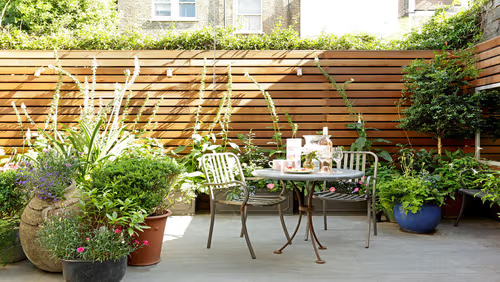
Suggested alt text: “Drought-tolerant low-maintenance garden with mulched flower beds” Suggested alt text: “Drip irrigation system set up in home garden”