DIY vs Professional: Home Improvement Projects You Can Do Yourself
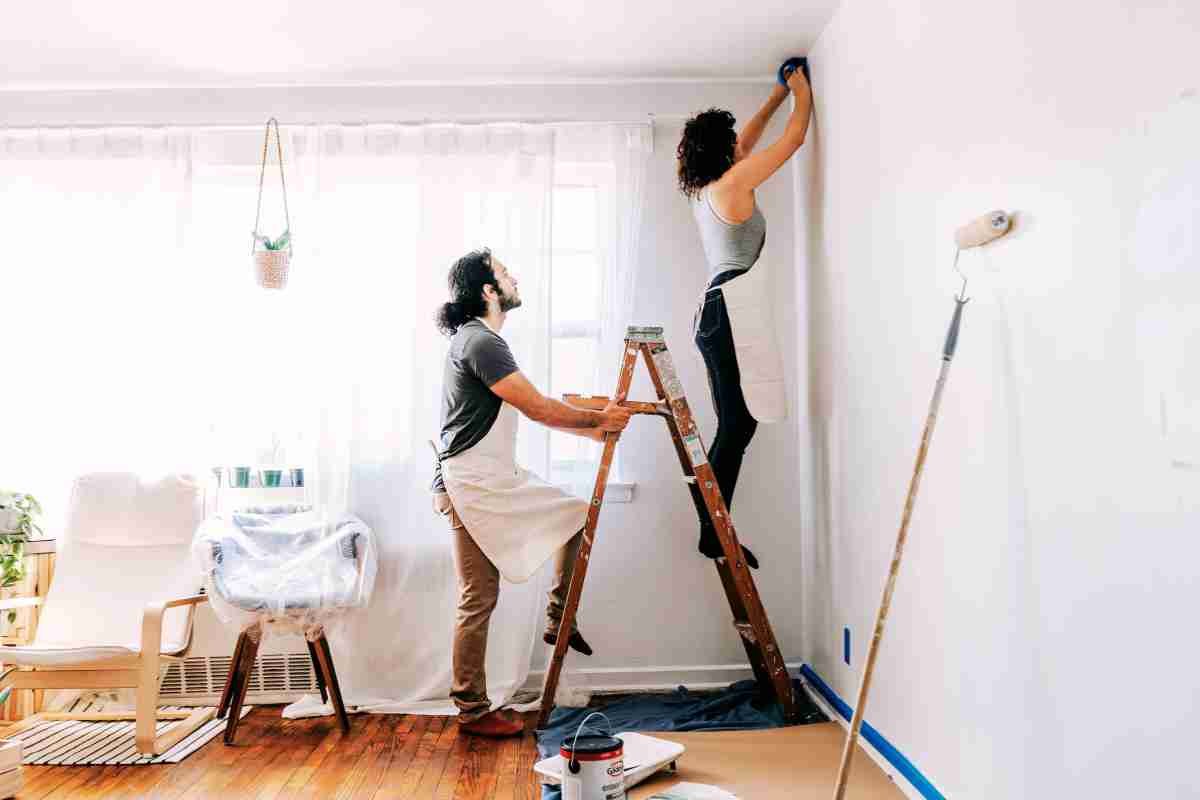
Somewhere between watching one too many YouTube videos and actually picking up a paintbrush, most of us have wondered — can I really do this myself? DIY home improvement projects have exploded in popularity, partly because of social media, partly because labor costs have gone up everywhere. But not everything is meant to be a weekend project.
Let’s be honest about what you can handle and what needs a professional.
What Makes a Good DIY Project
The best DIY home improvement projects are ones with low risk if you mess up, and where mistakes are fixable. Painting a wrong shade? Repaint it. Miswired a switch? That could actually hurt someone.
Quick answer: good DIY projects are cosmetic, reversible tasks like painting, shelving, and furniture assembly — anything touching electrical wiring, gas lines, or load-bearing structures should go to a licensed professional.
Projects That Are Genuinely Beginner-Friendly
- Painting a room
- Installing floating shelves
- Assembling flat-pack furniture
- Re-caulking a bathroom
- Changing cabinet hardware
Projects You Should Never DIY
I’ve got a friend who tried rewiring his own ceiling fan connection. Nearly tripped the whole building’s circuit. Some things just aren’t worth the risk, and honestly the money you save isn’t worth a hospital visit.
Leave These to Professionals
- Electrical panel work
- Gas line connections
- Structural wall removal
- Roof repairs above single-story height
- Major plumbing rerouting
Tools Every DIY Home Improvement Beginner Needs
You really don’t need a garage full of equipment to start. A good drill, a spirit level, a decent set of screwdrivers, and painter’s tape will cover most beginner DIY home improvement projects.
How Much Can You Actually Save Doing It Yourself
Labor typically makes up 30-50% of a project’s cost. So if a painting job quotes ₹15,000, doing it yourself might bring the cost down to just materials — maybe ₹6,000-8,000. That’s a real saving, assuming you don’t ruin anything along the way.
When a “Simple” DIY Turns Complicated
Has this ever happened to you? You start a small project, then realize the wall behind the tile is damp, or the shelf you’re mounting hits a pipe. This is exactly why professionals do a quick inspection before quoting — they catch things you might miss.
Safety Gear You Shouldn’t Skip
- Safety goggles for any cutting or drilling
- Dust masks for sanding
- Gloves for handling tiles or sharp edges
- A sturdy ladder, not a kitchen chair
Mixing DIY and Professional Work
You don’t have to pick one or the other for an entire project. Do the painting yourself, hire someone for the electrical fittings. That’s honestly how most smart renovations happen — a mix of both.
Frequently Asked Questions
Which home improvement projects are safest for beginners? Painting, shelving, and furniture assembly are the safest starting points with minimal risk.
Is it cheaper to DIY home improvement projects? Usually yes, since labor is often the largest cost — but factor in tool purchases and your own time.
What tools do I need to start DIY home improvement? A drill, spirit level, screwdriver set, tape measure, and painter’s tape cover most beginner jobs.
Should I DIY electrical work at home? No. Electrical work should always be handled by a licensed electrician for safety reasons.
How do I know if a project is too advanced for DIY? If it involves structural changes, gas, or major electrical/plumbing work, hire a professional.
Conclusion
DIY home improvement projects can genuinely save money and even be fun, but knowing your limits matters just as much as knowing your skills. Start with something small and low-risk this weekend — maybe that shelf you’ve been putting off — and build confidence from there.
Suggested image alt text: “DIY home improvement project person painting wall”